24 May — 6 June 2026
Five countries route
Mountains, lakes and a big ass river
Villach to Bratislava — Carinthian lakes, Slovenia's Pohorje massif, baroque Varaždin, all of Lake Balaton, Budapest thermal baths, and the Danube Bend to the Slovak capital. Five countries, 821 km, 10 riding days.
Why This Route?
Five countries, zero backtracking, and nearly all the climbing done in the first three days. Start in Austrian Carinthia, tackle the forested Pohorje massif into Maribor, then cross baroque Croatia at Varaždin and ride two glorious flat days along the entire southern shore of Lake Balaton. Roll into Budapest for a rest day of thermal baths and ruin bars, follow the dramatic Danube Bend north past Esztergom's hilltop basilica, and finish through the cycling paradise of Žitný ostrov (Rye Island) into Bratislava. Late May means long days, warm weather, and lake season just beginning.
The Route
Villach to Bratislava across five countries. Interactive map with elevation profile — zoom in, click around.
Route Highlights
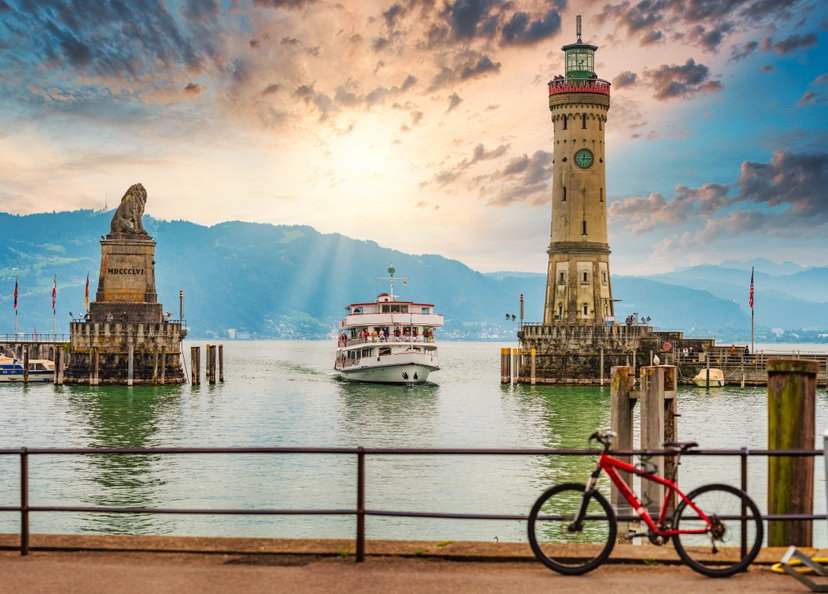
Carinthian Lakes
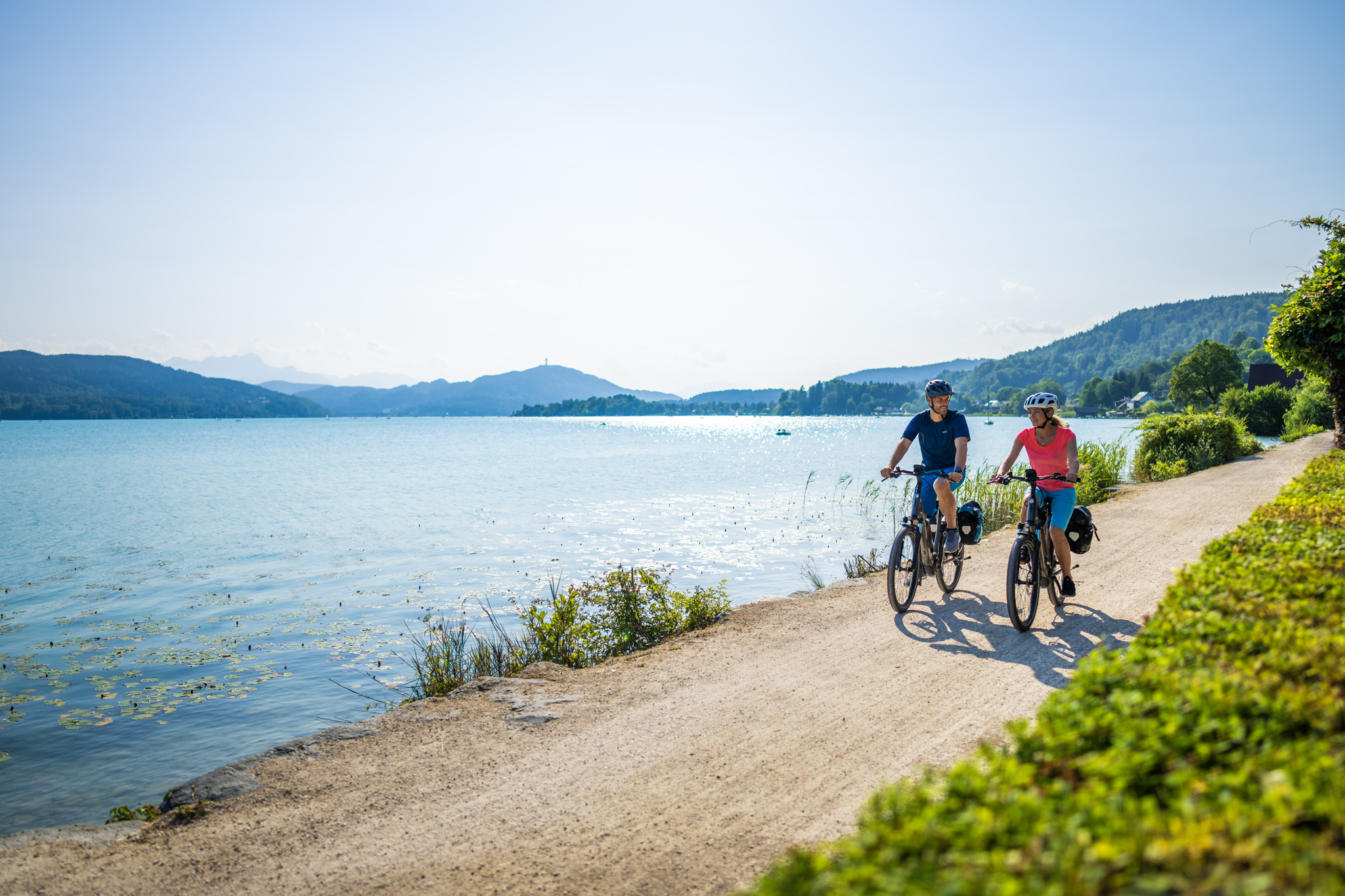
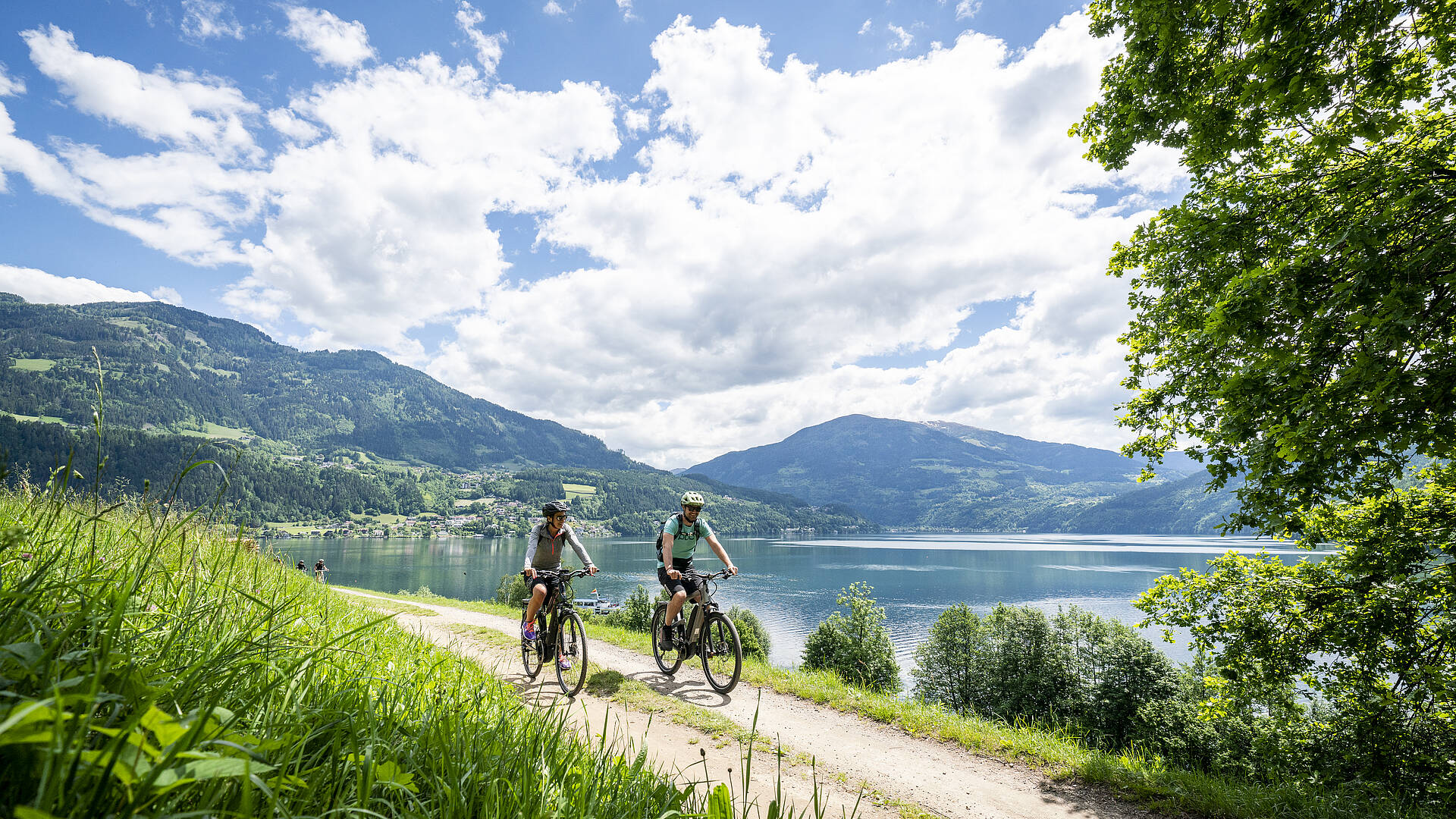
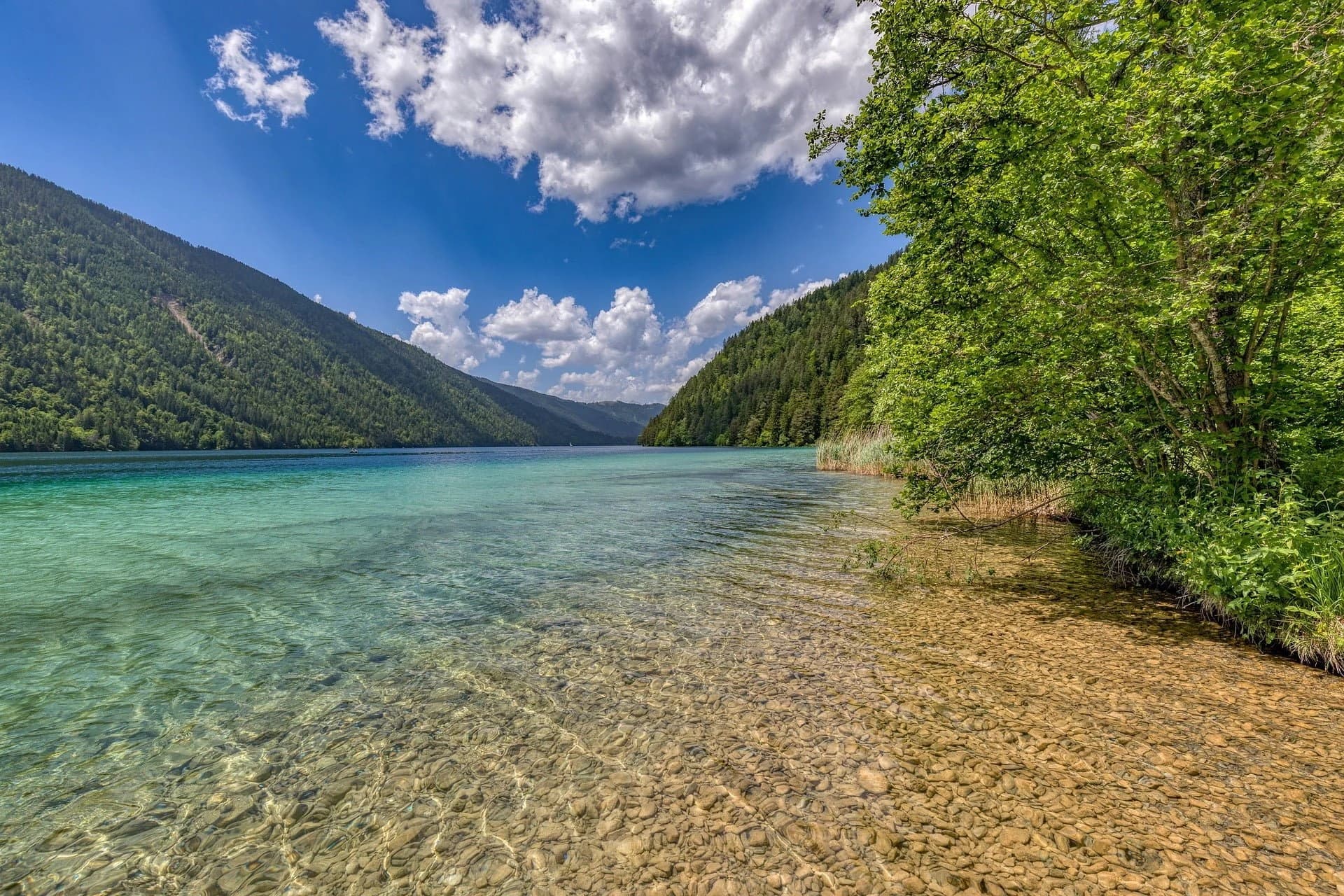
Day 1 ends at the warm Klopeiner See — a gem of southern Austrian Carinthia. Ringed by villages and forest, it’s one of the warmest natural lakes in the Alps. A perfect reward for the first day out of Villach.

Pohorje Massif
The crux of the whole trip. Day 3 climbs the forested Pohorje ridge to 566 m — the highest point on the route — before a long descent into Maribor. It cannot be routed around, and it doesn’t need to be: the views are worth every metre.
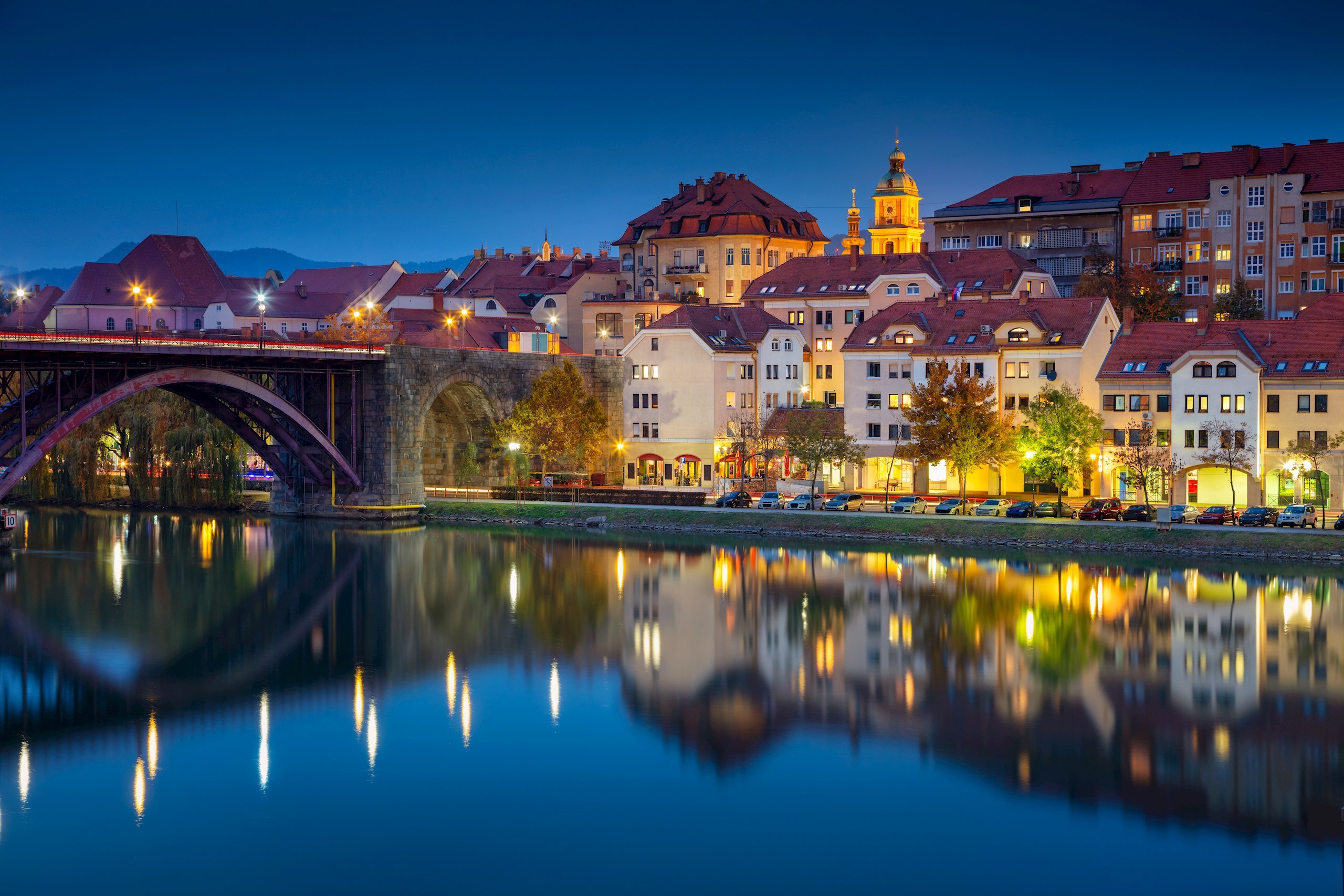
Maribor & the Old Vine
Slovenia’s second city is home to the world’s oldest living grapevine — over 400 years old, Guinness-certified, still producing wine. The Lent riverside quarter, city castle, and excellent Styrian wine make the rest day here an easy sell.
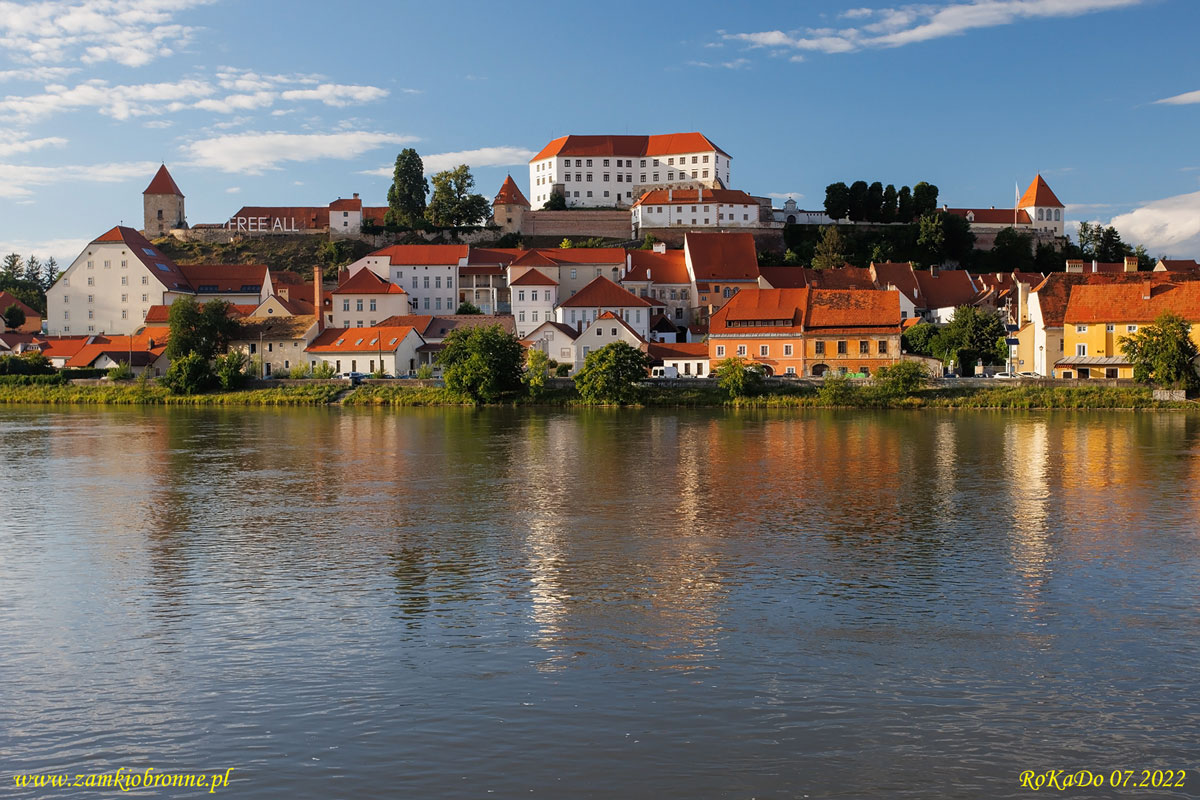
Ptuj & Varaždin
Slovenia’s oldest city (hilltop castle above the Drava, Roman foundations) followed immediately by Croatia’s perfectly-preserved Baroque city nicknamed the “Croatian Vienna”. Two unmissable stops in a single day.
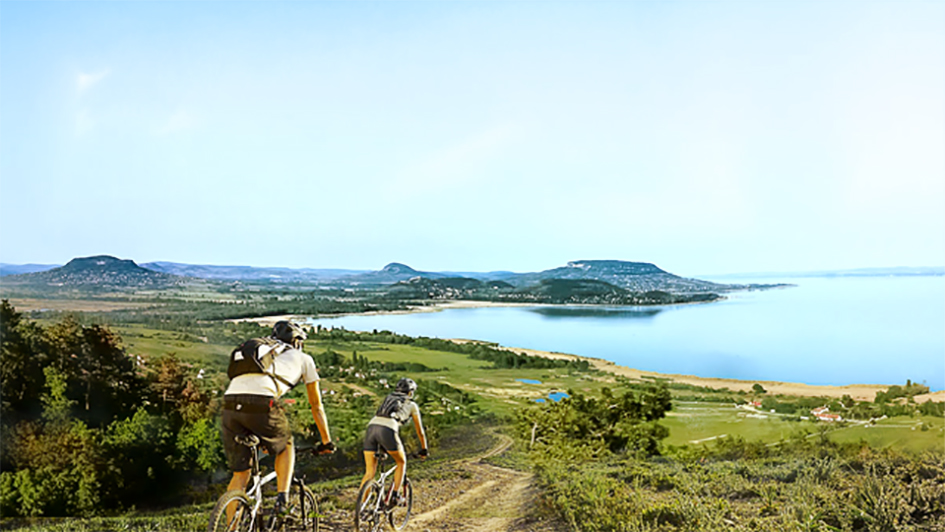
Lake Balaton
Europe’s largest warm-water lake — nearly 80 km long. Days 5 and 6 follow the entire southern shore from Balatonszentgyörgy to Siófok. Flat, fast cycling with the lake always on your left and medieval Keszthely to explore along the way.

Budapest & the Danube Bend
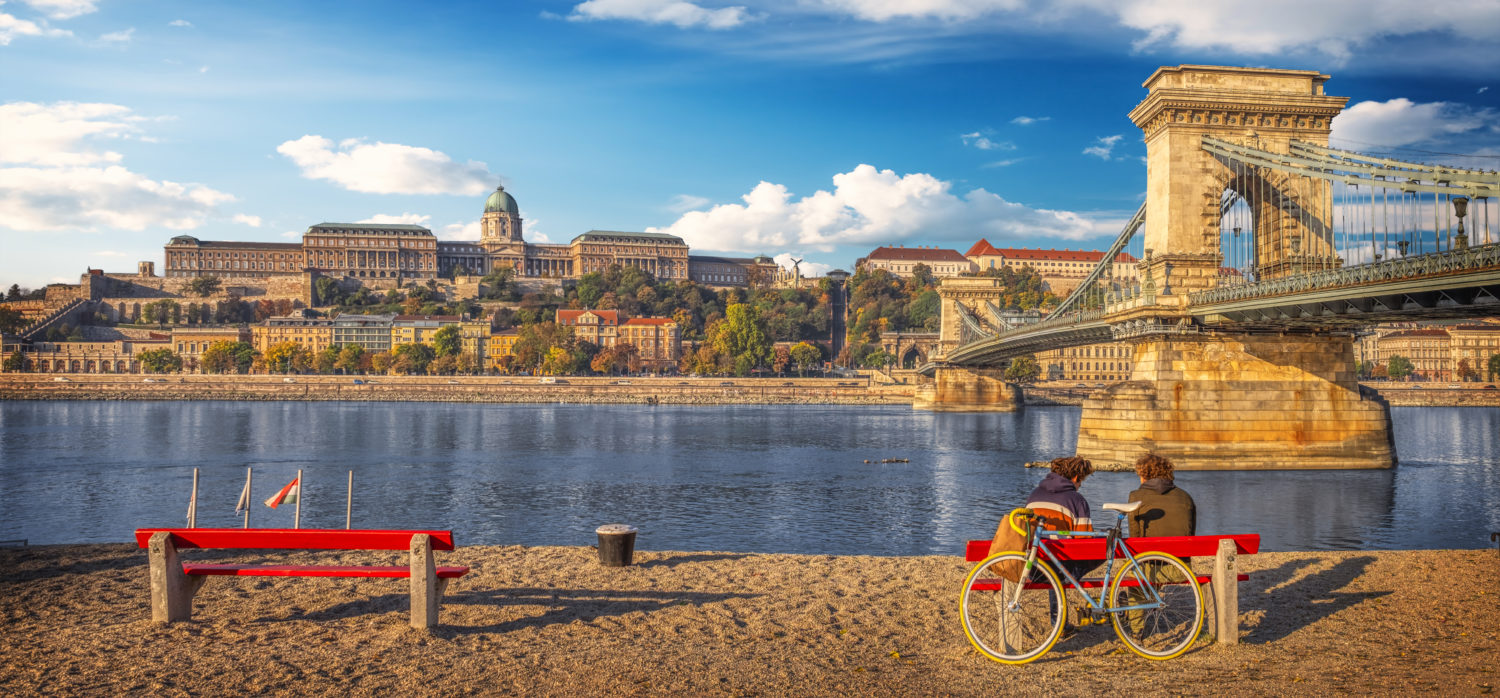
Arrive in Budapest with time for the Chain Bridge and Parliament at dusk. After a rest day of thermal baths and ruin bars, Day 8 follows the Danube Bend north — one of Central Europe’s most scenic stretches — to Esztergom’s towering basilica on the Slovak border.
Day-by-Day Itinerary
10 riding days + 2 rest days — real beds and hot showers every night. Nearly all climbing in the first three days; flat Pannonian plains and Danube cycle paths for the rest.
Home → Villach
Arrival day. Villach is the start — a well-connected rail hub in southern Austria. Direct ICE/EC from Munich (~4h15m); from Kraków take EC to Vienna then Railjet to Villach (~9½h). Assemble bike, rest.
Villach → Klagenfurt → St Kanzian am Klopeiner See
Gentle opener through the Carinthian heartland. Roll east from Villach to Klagenfurt (café stop on Neuer Platz), then south through undulating hills to the warm Klopeiner See — a Carinthian lake ringed by villages.
St Kanzian → Prevalje → Vuzenica
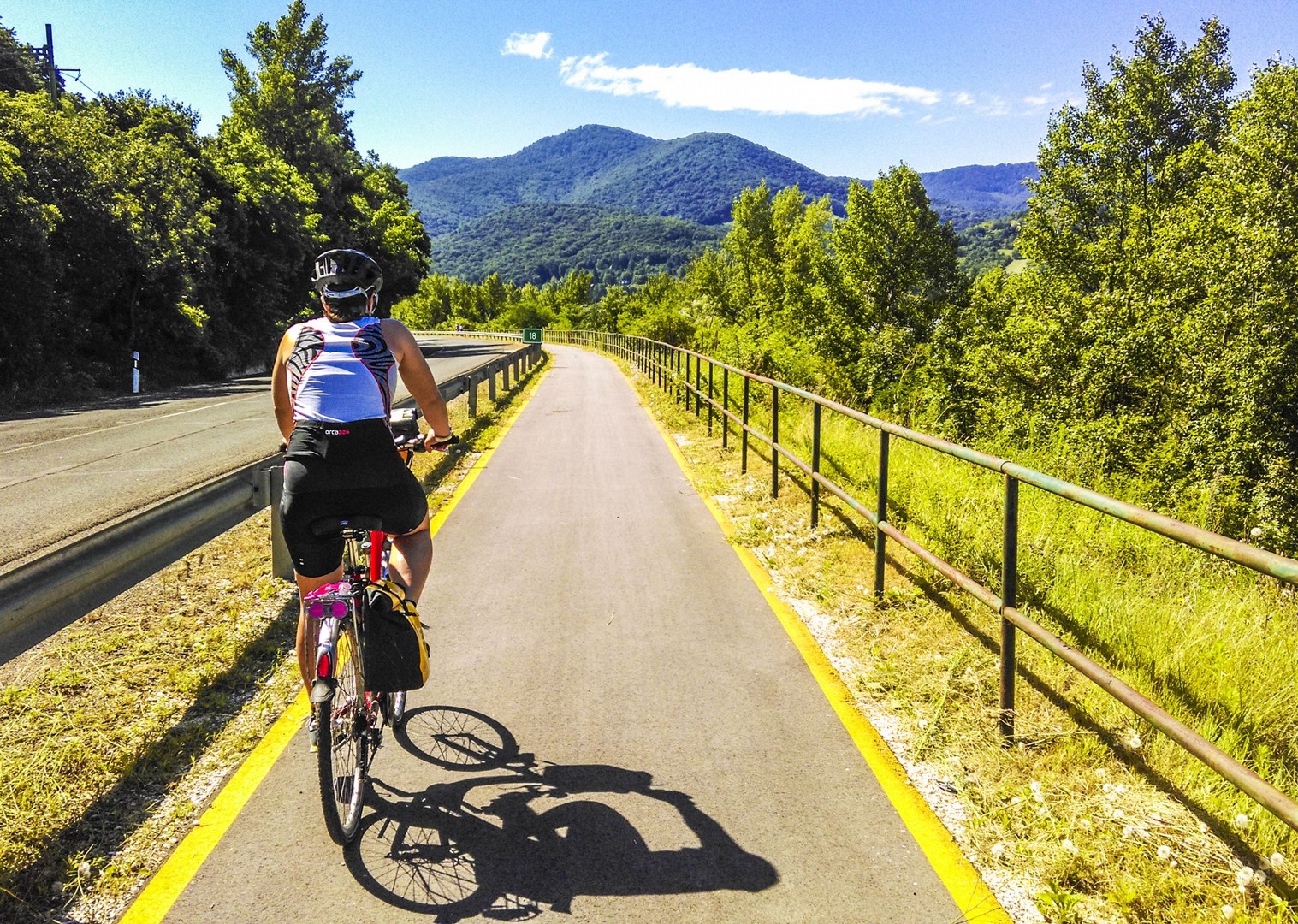
A step up in difficulty. The route threads through the Mža valley into Slovenia, climbing steadily through the old mining towns of Prevalje and Muta before easing into the Drava valley.
Vuzenica → Lovrenc na Pohorju → Maribor
Shortest day, hardest climbing. The route ascends the Pohorje massif — the forested ridge defining this corner of Slovenia — reaching 566 m before a long descent into Maribor. The crux of the whole trip.
Maribor
The Old Vine House holds the world’s oldest living grapevine (400+ years, Guinness-certified). Lent riverside quarter, city castle, and excellent Styrian wine. Optional flat spin along the Drava riverbank.
Maribor → Ptuj → Varaždin → Čakovec
Ptuj is Slovenia’s oldest city — hilltop castle above the Drava with Roman foundations. Cross into Croatia at Varaždin, the perfectly-preserved Baroque city nicknamed the “Croatian Vienna”. Continue to Čakovec at the junction of three countries.
Čakovec → Nagykanizsa → Balatonszentgyörgy
The longest day, but almost entirely flat Pannonian plain. Cross into Hungary at Letenye. Nagykanizsa is a good midpoint stop. The day’s reward: the first view of Lake Balaton — Europe’s largest warm-water lake — at Balatonszentgyörgy.
Balatonszentgyörgy → Keszthely → Siófok → Székesfehérvár
Long but flat. Ride the entire southern Balaton shore: Keszthely (Festetics Palace) then Siófok, Hungary’s lively summer resort capital. Leave the lake at Siófok and push north through low Transdanubian hills to Székesfehérvár, the royal coronation city of medieval Hungary.
Székesfehérvár → Budapest
The hilliest stretch since the Pohorje. Rolling countryside leads to the descent toward the Danube and Budapest’s unmistakable skyline. Arrive with time to see the Chain Bridge and Parliament lit at dusk.
Budapest
Heroes’ Square, Great Market Hall, a soak in Széchenyi or Gellért thermal baths. Ruin bars in the Jewish Quarter. Cross to Buda for the Castle District and panoramic Danube views.
Budapest → Esztergom
Follow the Danube Bend north — one of Central Europe’s most scenic stretches. The river curves dramatically between forested hills. Esztergom’s enormous basilica (Hungary’s largest church) crowns the hilltop above the Slovak border bridge.
Esztergom → Komárno → žitný ostrov (Bodíky)
Flat Danube cycle paths all day. Cross into Slovakia at Komárno — a divided city where Hungarian Komárom and Slovak Komárno face each other across the river. Enter žitný ostrov (Rye Island), the largest river island in Central Europe, woven with quiet cycling paths and orchards.
žitný ostrov → Šamorín → Bratislava
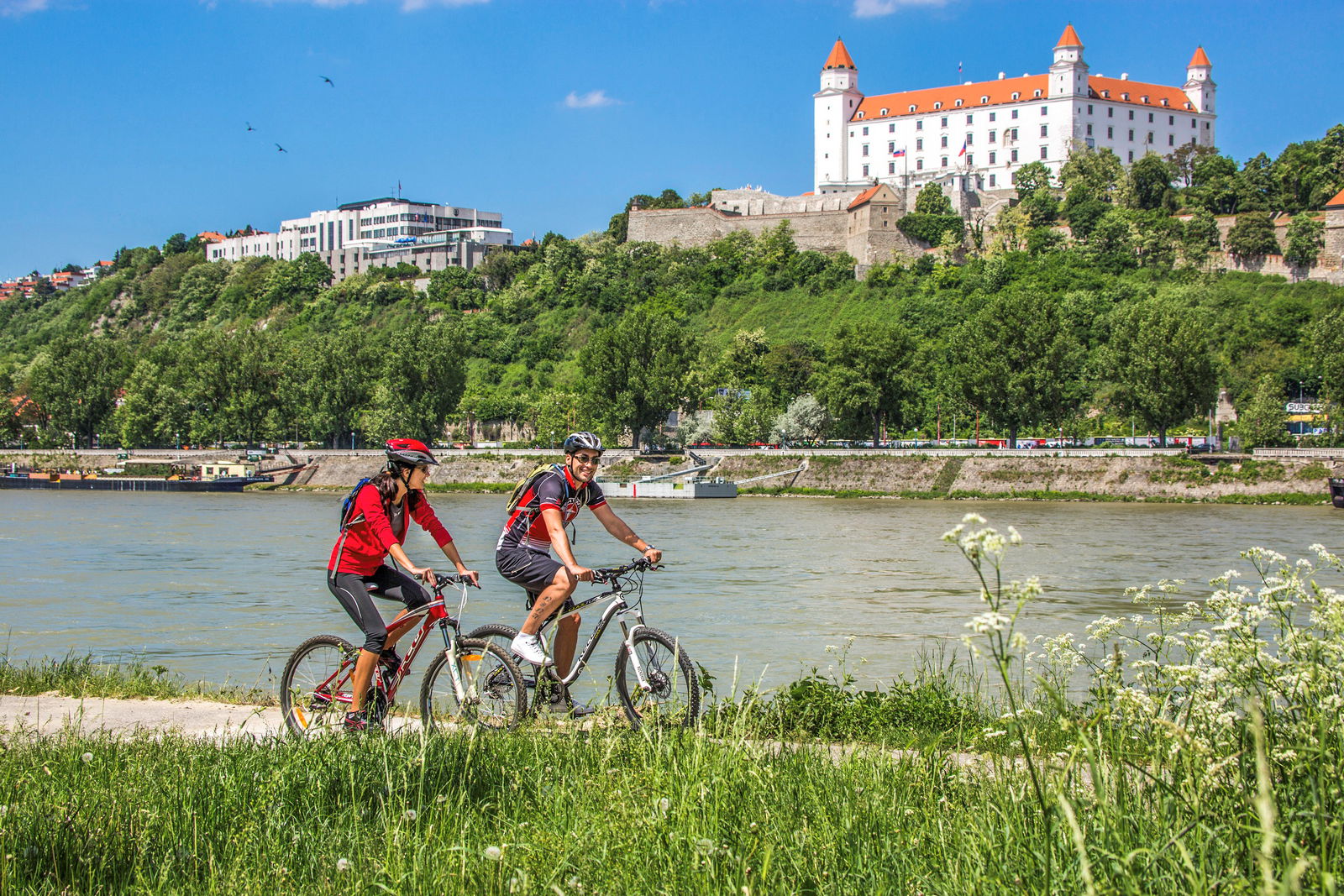
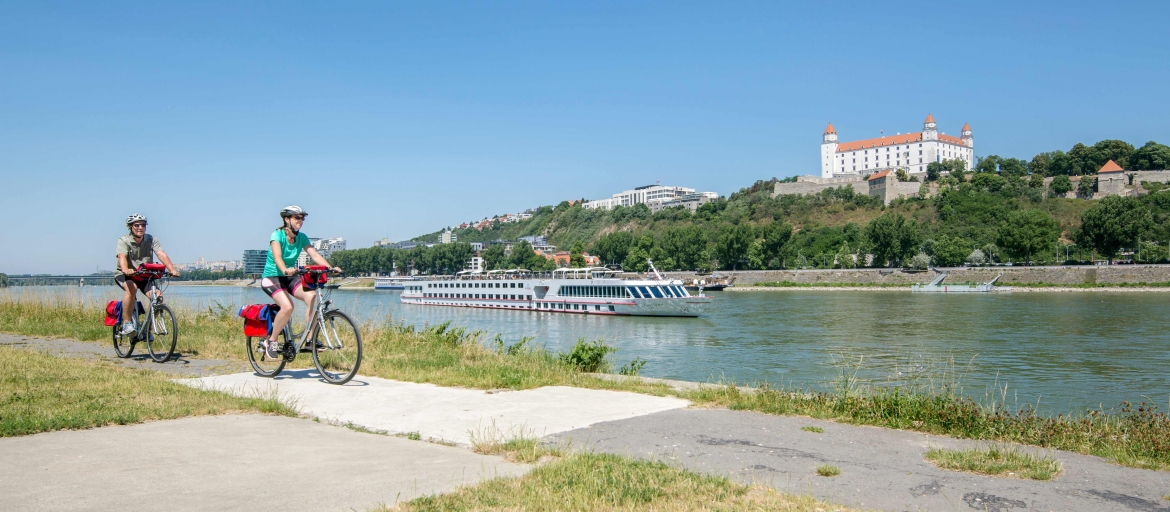
A short, flat, triumphal finish. Cross the last stretch of Rye Island to Šamorín, then follow the Danube embankment into Bratislava. The Slovak capital’s old town and castle appear above the river. 821 km done.
Bratislava → Home
Depart from Bratislava hl. st. EC/Railjet to Vienna (~1h), then connections onward — Munich (~3h30m), Kraków (~5h45m via Vienna), or Berlin (~9h). Bratislava station is 5 minutes from the finish.
So… are we doing this?
821 km across five countries. Forested mountain climbs, wine in Maribor, baroque city stops, two days on Lake Balaton, Budapest thermal baths, and a triumphal finish into Bratislava along the Danube. Real beds every night. Let's make it happen.
Train Connections
Start in Villach (24 May) — End in Bratislava (6 Jun). Bike reservation mandatory on all international trains (~€10–15/leg). Book well in advance.
Outbound: ICE Berlin → Munich (~4h) + direct ICE/EC Munich → Villach. 1 change in Munich (30–45 min). Prices from: 45 EUR
Return: EC/Railjet Bratislava → Vienna (~1h) + Railjet Vienna → Munich (~3h30m) + ICE Munich → Berlin (~4h) or even direct Prices from: 66 EUR
Outbound: Direct ICE or EC Munich → Villach via Salzburg or direct (~4h15m). Multiple departures daily. Prices from: 43 EUR
Return: EC/Railjet Bratislava → Vienna (~1h) + direct Railjet Vienna → Munich (~3h30m).Prices from: 68 EUR
Outbound: EC Kraków → Vienna (~5h45m) + Railjet Vienna → Villach (~3h30m). Allow 60–90 min for the Wien Hbf transfer. Prices from: 72 EUR
Return: PKP EC (Batory) → Kraków (~7h). Prices from: 100PLN
Connections existance and bike spot availability checked maually by a real human (yours truly)